Padel clubs, fitness centres, multisport complexes, entertainment venues: leisure real estate has become an asset class in its own right, carried by the experience economy. An analysis of a fast-structuring segment, and of how Rodschinson Investment supports owners and investors.
Introduction
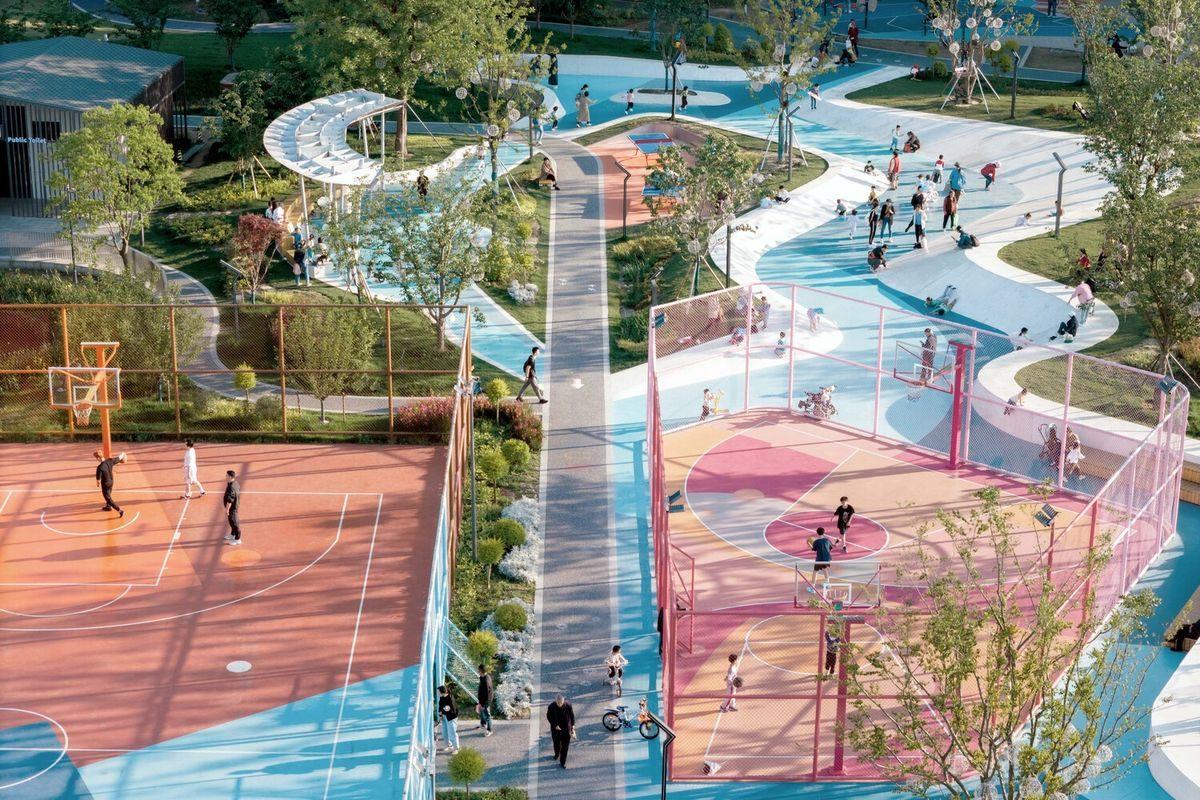
Free time has moved to the centre of modern lifestyles, and real estate has followed: former warehouses converted into padel clubs, gyms at the foot of buildings, family complexes mixing bowling, climbing and dining. Long considered atypical, these assets now attract professional operators and investors looking for diversified operating income.
Padel illustrates the pace of change: Belgium now counts several hundred clubs and more than 800 courts, one of the densest networks in Europe, and sector studies rank it among the continent's most dynamic markets for the sport. Investment is shifting from outdoor courts to large premium indoor centres, suited to northern European weather.
What drives the value of a leisure asset
Operations before walls
Like hospitality or student housing, a leisure asset is valued on operating performance: footfall, average spend, memberships, slot occupancy, operator quality. The building matters, but the operating model makes the yield.
Location and accessibility
Established retail zones, city entrances, well-connected former logistics sites: a leisure asset lives on its catchment area and its accessibility by car and public transport. Parking, secondary for other asset classes, becomes a direct value factor here.
Building versatility
Wide spans, free heights, flexible floor plates: buildings able to host padel, fitness, trampoline or family entertainment in succession keep their value beyond any single concept or operator. Convertibility is the investor's best insurance.
The trends shaping the market
Operator consolidation
Independent clubs are gradually giving way to better-capitalised multi-site operators who professionalise management and sign stronger leases. For a property owner, the quality of the tenant covenant becomes a central valuation criterion.
From new construction to conversion
In mature markets, new construction is giving way to the conversion of existing assets: warehouses, retail parks and brownfield sites find a second life as sports and leisure complexes, a trend that directly crosses the logistics and retail property markets.
Experience as the footfall engine
Dining, coaching, social spaces, events: venues that combine sport with social experience show the most resilient attendance. Leisure has become a hybrid use, part sport, part outing, part community.
Risks and points of attention
The segment demands careful reading: dependence on the operator and the strength of its model, sensitivity to fashion effects (a concept can age fast), maintenance intensity, and the planning framework specific to venues open to the public. Buyer depth is real but specialised: targeting is decisive.
The Rodschinson Investment approach
Rodschinson Investment supports owners of leisure, sports and entertainment assets on the sale, valuation and sale preparation of their assets, Belgium first. Our conviction: in a market of specialised operators and informed investors, presenting the asset through its operation, not just its walls, makes the difference, within a confidential and structured process.
Concretely: valuation of the asset and its operating model, preparation of the file (footfall, leases, building versatility, energy), targeting of qualified buyers, multi-site operators, specialised investors, family offices, and execution under confidentiality at every step.
Conclusion
Carried by the experience economy and the professionalisation of its operators, Belgian leisure and sports real estate is moving from the margins to become a fully-fledged asset class. For an owner, the window is open, provided the asset is presented with the rigour its buyers expect.
About Rodschinson Investment
Rodschinson Investment is an international advisory firm headquartered in Brussels, with hubs in Casablanca and Dubai. It advises owners, companies, founders and investors across four practices: Corporate Real Estate, M&A, Capital Advisory and Investment.