The office market is undergoing a radical transformation. Demand is polarising towards high-quality, central assets meeting the strictest ESG standards.
Quality before Quantity
In a post-pandemic context, companies are reassessing their real estate footprint. The trend is not necessarily towards reducing space, but towards improving quality. Employees, used to the comfort of remote work, expect their offices to be more than mere places of production: they must be hubs of collaboration, socialisation and innovation.
The ESG Imperative
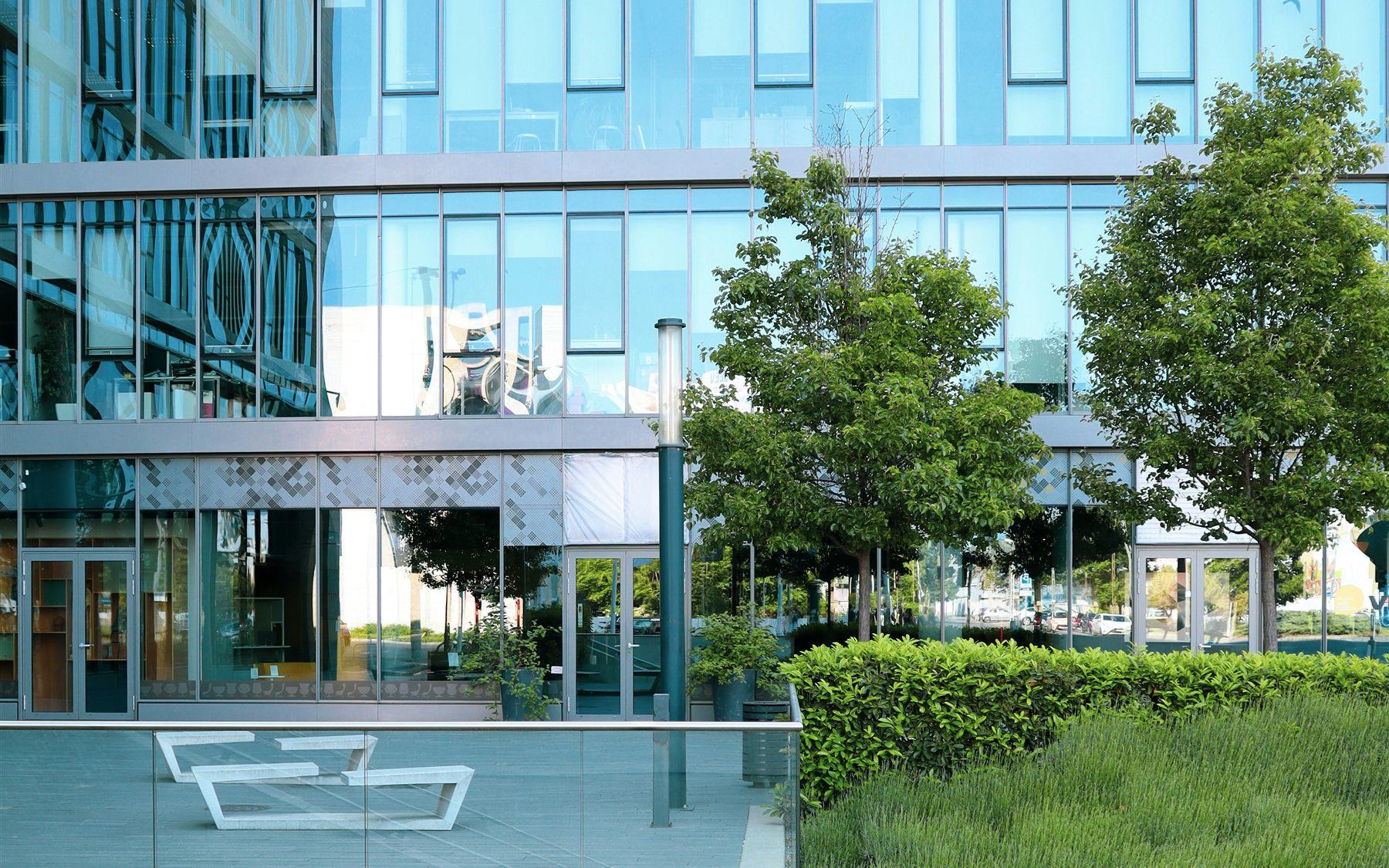
Environmental, Social and Governance (ESG) criteria are no longer an option but a necessity. Institutional investors and first-tier tenants demand certified buildings (BREEAM, LEED, HQE) that minimise their carbon footprint and promote occupant well-being. An asset's "green value" is now a major component of its valuation.
Contractual and Spatial Flexibility
The rigidity of traditional long leases is being questioned. Coworking operators and "serviced office" models are gaining ground, offering companies the flexibility they need to adapt their space to fluctuating headcounts and projects.
Conclusion
The future of the prime office lies in its ability to be hybrid, sustainable and user-centric. For investors, this means increased selectivity and a proactive asset-management strategy to maintain the relevance and value of their portfolios.